Musings
Of life, death and legacy as coping mechanism
With birth begins an inexorable journey toward death. It arrives sooner or later. The fortunate die naturally—through age or age-related illness. The unfortunate die prematurely or violently: through accidents, disasters, homicides, riots, or other ruptures that expose how fragile our hold on life really is.
This inevitability raises the most unsettling question of all: what, then, is the point of living?
Even the most avowedly pious often reveal, through everyday action, a deep uncertainty about an afterlife. Greed, envy, possessiveness, cruelty—these are not the behaviours of people entirely convinced of heaven or hell. In practice, believers often live with the same suspicion as atheists or agnostics, though they may never acknowledge it. Perhaps the obsession with bloodlines and inheritance is itself a coping mechanism—an attempt to resist oblivion amid a lifetime of material pursuits.
To confront the possibility that there may be nothing after death is terrifying—demoralising in its finality. Those who believe, without doubt, in life after death and in God seem fortunate to me. They feel almost mythical. Perhaps they exist; perhaps I have simply never encountered them.
These thoughts inevitably lead to others. How, then, are we supposed to live? What is life? What is love? What is family, friendship, religion? Are these enduring truths, or merely constructs devised by an intelligent animal to cope with emptiness, ennui, and the terror of meaninglessness?
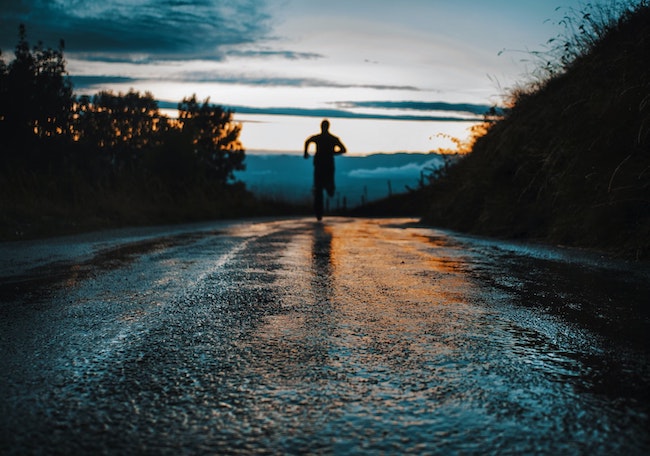
Yet alongside these questions comes a tentative answer—one that steadies me. Perhaps we extend our lives not biologically, but through our work, our actions, and the way we shape the world beyond our own time. Perhaps this is immortality in the only sense that reason allows. In that light, the real question becomes: am I leaving behind anything worth emulating, continuing, or remembering? Is my legacy my true heir?
Does this privilege belong only to scientists who cure diseases or invent machines? Or does it extend equally to artists, writers, actors, musicians—to anyone who creates, moves, or awakens others? Surely, it must.
Still, none of this is simple. These questions resist tidy answers: How should we live? Whom should we care for, and how deeply? Where does selfishness end and selflessness begin? What is loyalty? What is hedonism? How far can desire go before it becomes destructive? And, inevitably, what is love—how to give it, how to receive it, and how much it matters?
What troubles us most, as we wrestle with these questions, is the suspicion that if we all perish utterly—if there is no afterlife—then perhaps nothing matters at all. Do we really need to be kind? Do achievements deserve reverence? Or are morality and memory merely fragile agreements among the living?
These thoughts unsettle me. They return often. They roil and, at times, torment me. And yet I return to a simple resolve: to leave behind a legacy. Not of perfection or virtue, but of courage—a life lived unapologetically, honestly, in a way that gives others permission to live theirs.
If that legacy survives even a single lifespan beyond my own, it is enough. Because someone inspired by courage, honesty, or an uncompromising pursuit of happiness may, in turn, leave behind another such legacy. And so the chain continues—not eternally, perhaps, but meaningfully.
Am I, in some measure, echoing Nietzsche’s idea of the Übermensch? Perhaps. Not in dominance or transcendence, but in the quieter insistence that one must create meaning where none is guaranteed.